 716-693-7954


How Can We Improve Hospital Energy Efficiency?
A practical guide to improving hospital boiler rooms and steam systems with low-cost, maintenance-friendly insulation solutions
Quick answer:
Reusable insulation blankets help hospitals reduce heat loss from steam-system components such as valves, pumps, and heat exchangers. By retaining heat, they can lower steam and fuel consumption, reduce operating costs, and improve mechanical-room conditions. Removable, reusable covers also preserve maintenance access. Actual savings and payback depend on equipment, operating conditions, and energy costs.
Hospitals operate around the clock, making energy efficiency a critical part of facility management. Boiler rooms, steam distribution systems, sterilizers, laundry equipment, water heaters, pumps, valves, and heat exchangers can operate at high temperatures every day. When these components are uninsulated or inadequately insulated, hospitals lose valuable thermal energy, increase fuel consumption, raise operating costs, and create uncomfortable working conditions for facilities staff.
Reusable insulation blankets and heat shields offer a practical energy-efficiency strategy for healthcare facilities. Hospital case studies involving Miramichi Regional Hospital, Baxter Regional Medical Center, and Sturdy Memorial Hospital show how engineered insulation can reduce steam and natural gas consumption, improve mechanical-room conditions, support maintenance, and deliver a relatively short payback period.
Why Energy Efficiency Matters in Hospitals
Energy is one of the largest controllable operating expenses for many hospitals. Healthcare facilities require continuous heating, hot water, sterilization, laundry services, food preparation, ventilation, and infection-control systems. These demands place a constant load on boilers and steam distribution equipment.
Improving the efficiency of an existing steam system can help hospitals reduce energy waste without replacing major equipment. Targeted insulation upgrades are especially useful because they address heat loss at specific components while allowing the rest of the system to remain in service.
- Lower fuel and utility consumption: Retaining heat can reduce the amount of steam or natural gas required to meet facility demand.
- Reduced operating costs: Lower energy use can improve the financial performance of boiler-room and mechanical-system upgrades.
- Improved staff working conditions:
Reducing radiant heat can make mechanical rooms cooler and more comfortable. - Better maintenance access:Removable insulation can be taken off for inspections and reinstalled afterward.
- Support for sustainability goals: Reduced energy consumption can contribute to a hospital’s broader environmental objectives.
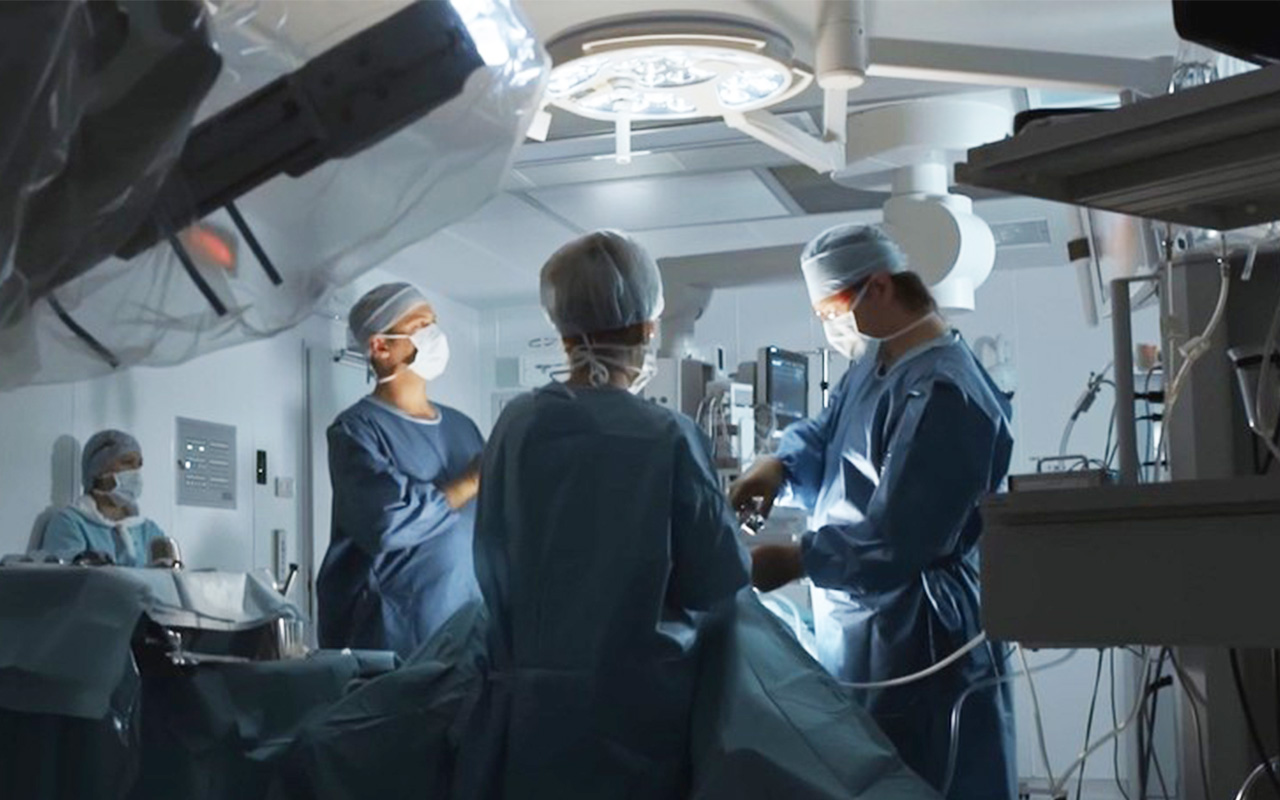
Healthcare facilities require continuous heating, hot water, sterilization, laundry services, food preparation, ventilation, and infection-control systems.
How Reusable Insulation Blankets Improve Steam-System Efficiency
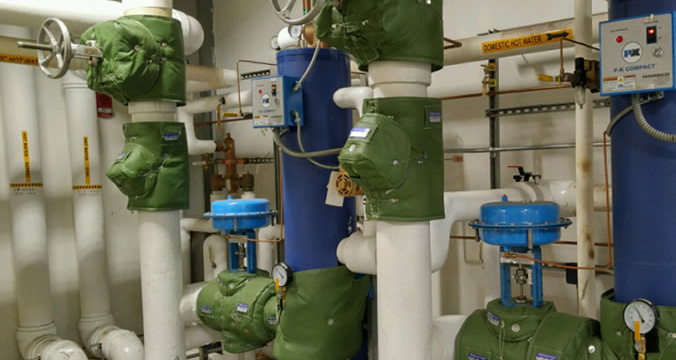
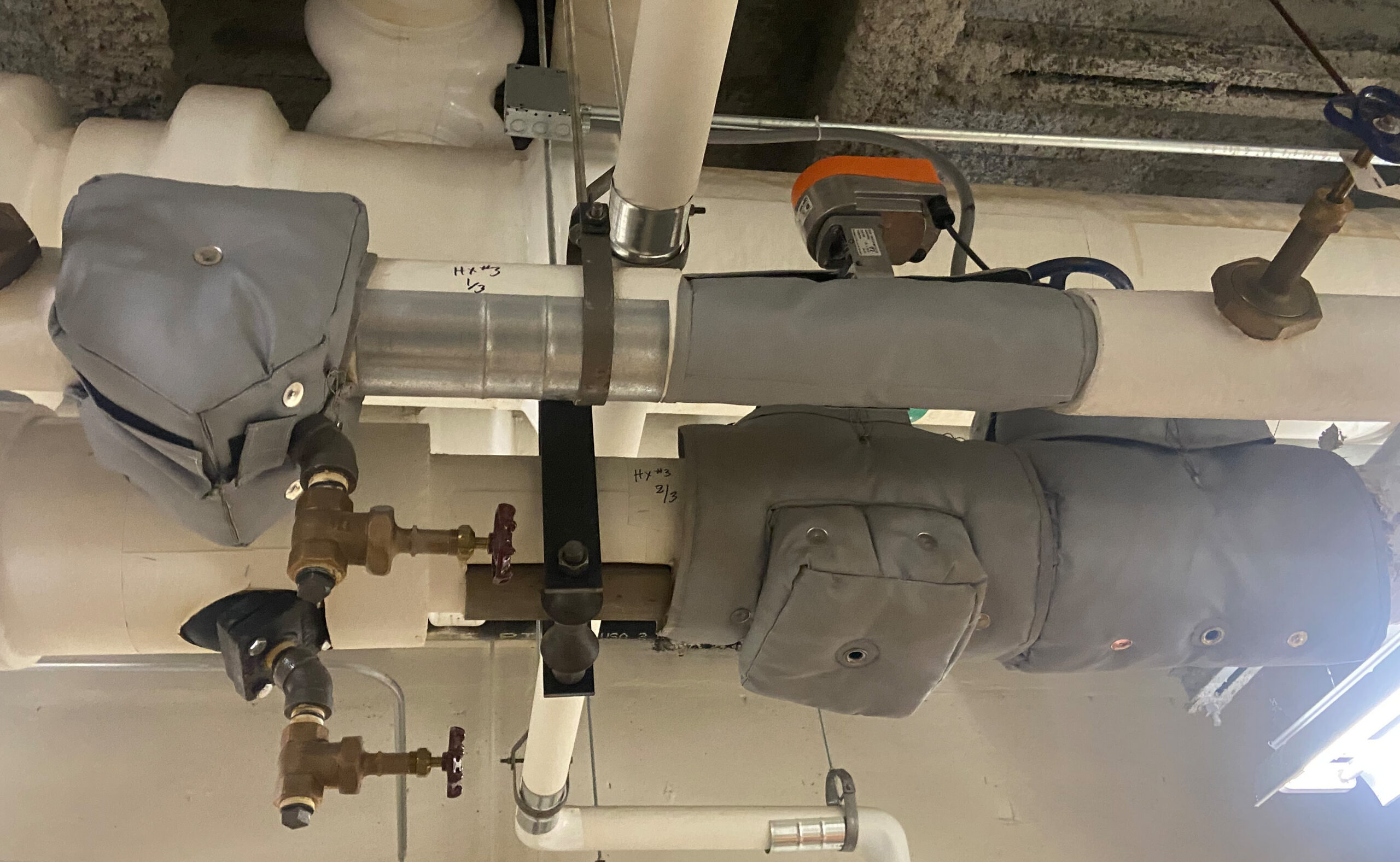
Reusable insulation blankets are custom-designed thermal barriers that cover heat-producing components, including valves, flanges, pumps, headers, steam traps, water heaters, and other complex surfaces. By limiting heat loss, the blankets help keep thermal energy inside the steam system instead of allowing it to escape into the surrounding mechanical room.
Unlike traditional insulation that may be damaged or discarded during maintenance, reusable blankets can be removed and reinstalled. This feature is important in hospitals, where facilities teams routinely inspect, repair, and service steam-system components.
Typical applications include:
- Boiler headers and feed-water pumps
- Steam valves, control valves, and bypass valves
- Flanges and steam traps
- Condensate pumps
- Instantaneous heaters and water heaters
- Heat exchangers and equipment heads
- Steam lines serving laundry and sterilization equipment
How Hospitals Can Identify Energy-Saving Opprtunities
A hospital energy-efficiency project should begin with a detailed survey of the steam and thermal systems. Rather than inspecting only the boiler, facility managers should evaluate the complete energy path from generation to end use.
- Map the steam system. Identify boilers, headers, pressure-reducing valves, pumps, heat exchangers, sterilizers, laundry equipment, and other major components.
- Locate exposed or damaged surfaces. Look for bare valves, flanges, pumps, steam traps, and other components that radiate heat into mechanical rooms.
- Prioritize high-temperature components. Focus first on equipment with significant surface area, high operating temperatures, or long operating hours.
- Estimate energy and cost savings. Use operating temperatures, component dimensions, fuel costs, steam production, and measured system data to develop a project estimate.
- Evaluate maintenance requirements. Select insulation that can be removed and reinstalled without compromising equipment access.
- Verify results after installation. Compare energy use before and after the project while accounting for weather, occupancy, production, and changes in operating conditions.
- Shannon’s Energy Surveys along with M&V reporting take care of this for you.
Hospital Case Study: Baxter Regional Medical Center
At Baxter Regional Medical Center in Mountain Home, Arkansas, a steam-system improvement project included hundreds of reusable thermal insulation blankets. The blankets were installed on boilers, sterilizers, water heaters, condensate pumps, steam traps, valves, and other components throughout the hospital.
An initial survey identified 136 components and predicted annual savings of nearly $24,000. Independent calculations after installation indicated that the actual savings were consistent with the initial survey. Over the expected life of the reusable insulation, the project was estimated to save nearly $300,000.
The project also improved the mechanical-room environment. According to the hospital’s engineering team, a room containing a steam header had previously been extremely hot. After the components were insulated, the temperature fell to approximately 72°F. This illustrates that energy-efficiency projects can provide operational and workplace benefits in addition to utility savings.

Hospital Laundry System With Shannon Reusable Insulation